
Save Up to 20% on New Installs Today!
Replace Air Filters Regularly
Air filters serve as the first line of defense for your cooling system, trapping dust, pollen, and airborne particles before they circulate throughout your home. During the intense summer months that characterize the Inland Empire region, filters accumulate debris at an accelerated rate due to higher system runtime and outdoor dust conditions common to Southern California.
Standard filters require replacement every 30 to 90 days depending on household factors such as pets, occupancy levels, and local air quality. When filters become clogged, airflow restriction forces your unit to work harder, increasing energy consumption by up to 15 percent while reducing cooling capacity. This strain accelerates wear on critical components including the blower motor and compressor.
Inspect your filter monthly by holding it up to a light source. If light cannot pass through easily, replacement is necessary. Choose filters with the appropriate MERV rating for your system, typically between 8 and 13 for residential applications, to balance filtration efficiency with proper airflow.
Clean Condenser Coils Annually
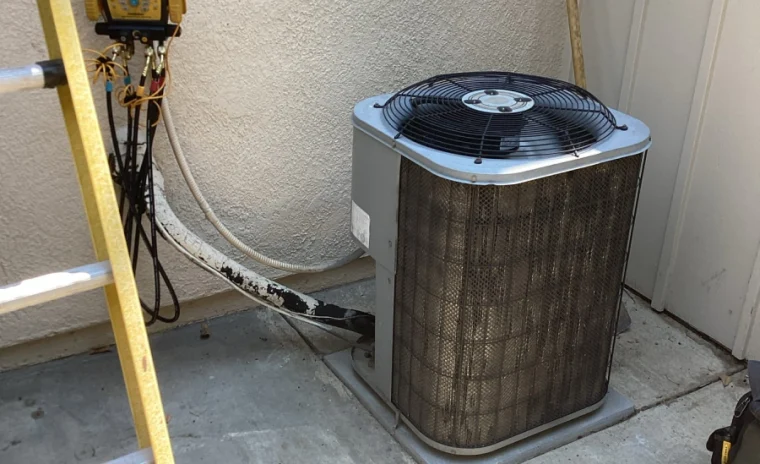
The outdoor condenser unit performs the essential function of releasing heat absorbed from your indoor spaces. Over time, dirt, leaves, cottonwood seeds, and debris accumulate on the aluminum fins and coils, creating an insulating barrier that prevents efficient heat transfer. In areas with significant landscaping or high winds, this buildup occurs faster and requires vigilant attention.
Schedule professional coil cleaning at least once annually, ideally before the cooling season begins in late spring. Technicians use specialized cleaning solutions and techniques that remove stubborn buildup without damaging the delicate fin structure. Attempting to clean coils with excessive water pressure or improper chemicals can bend fins or corrode metal components, resulting in costly repairs.
Between professional services, remove visible debris from around the unit and maintain a clearance of at least two feet on all sides. Trim back vegetation and remove any items stored near the condenser that could obstruct airflow or introduce additional debris into the system.
Clear the Condensate Drain Line
As your cooling system operates, it removes humidity from indoor air through the evaporator coil. This moisture collects and drains through a dedicated condensate line, typically a PVC pipe that exits near the outdoor unit or into a floor drain. When this line becomes clogged with algae, mold, or debris, water backs up into the drain pan and can overflow, causing water damage to ceilings, walls, or flooring.
Preventive maintenance of the drain line involves flushing it with a mixture of water and vinegar or a specialized algaecide tablet every three to six months. Locate the access point on the drain line, usually a T-shaped vent with a removable cap, and pour approximately one cup of solution into the opening. This treatment inhibits biological growth that commonly causes blockages.
If you notice water pooling around your indoor unit or the overflow safety switch has triggered a system shutdown, the drain line requires immediate attention. Professional technicians can clear stubborn clogs using specialized tools and restore proper drainage to prevent recurrence and potential water damage.
Inspect and Straighten Condenser Fins
The thin aluminum fins surrounding your condenser coils are engineered to maximize surface area for heat dissipation. These delicate fins can easily become bent from lawn maintenance equipment, hail, or accidental impact, reducing airflow and diminishing cooling efficiency. Even minor fin damage across a portion of the unit can measurably impact performance.
During routine inspections, examine the fin condition on all sides of the outdoor unit. Bent fins restrict air passage through the coil, forcing the system to run longer cycles to achieve desired temperatures. A fin comb, available at hardware stores, allows careful straightening of bent fins when used with a gentle, methodical approach. Select the comb spacing that matches your fin density, typically 10 to 15 fins per inch on residential units.
Exercise caution during this process, as excessive force can break fins or damage the coil tubing beneath. If extensive damage is present or you are uncertain about the procedure, professional technicians possess the experience and tools to restore fin alignment without causing additional harm to the equipment.
Check Refrigerant Levels
Refrigerant serves as the heat transfer medium that makes cooling possible, circulating through a closed-loop system between indoor and outdoor components. Modern systems are designed as sealed units that should not require refrigerant additions under normal circumstances. When levels drop, it indicates a leak that requires professional diagnosis and repair rather than simply adding more refrigerant.
Warning signs of low refrigerant include reduced cooling capacity, longer run times, ice formation on the evaporator coil or refrigerant lines, and hissing sounds near the indoor or outdoor units. These symptoms often develop gradually, making them easy to dismiss until system performance becomes noticeably inadequate during peak demand periods.
Only licensed technicians should handle refrigerant due to environmental regulations and safety considerations. Professional service includes locating and repairing leaks, evacuating the system, and recharging to manufacturer specifications using precise measurements. This approach ensures optimal performance while complying with environmental protection standards that govern refrigerant handling and disposal.
When you need reliable service for refrigerant issues or any cooling system concern, HVAC Home Services provides thorough diagnostics and repairs throughout the region. Our technicians hold current certifications and use calibrated equipment to ensure your system operates at peak efficiency with proper refrigerant charge.
